
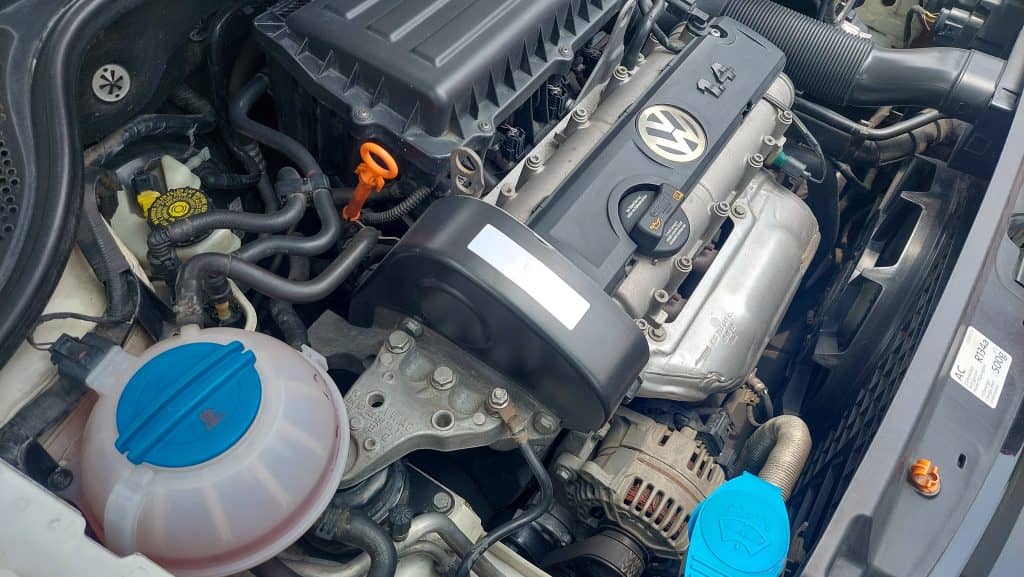
If your vehicle begins to shake, hesitate, or lose power while driving in heavy traffic, you may start wondering why your car engine misfires in traffic. An engine misfire occurs when one or more cylinders fail to ignite the air and fuel mixture properly. This can cause rough engine performance, reduced power, and noticeable vibrations.
Traffic conditions often place additional strain on the engine. Stop-and-go driving requires frequent acceleration, deceleration, and idling. These conditions can expose problems within the ignition system, fuel system, or engine sensors. When one of these components fails to operate correctly, the engine may misfire.
Understanding the common causes of engine misfires can help drivers identify issues early and prevent more serious engine problems.
What Happens During an Engine Misfire?
Inside your engine, fuel and air mix together in the cylinders and ignite to produce power. Spark plugs create the spark needed to ignite this mixture at the correct moment.
When a cylinder fails to ignite properly, the combustion process becomes uneven. This interruption is known as a misfire.
Drivers may notice the engine shaking, hesitating during acceleration, or losing power while driving.
Common Reasons Your Car Engine Misfires in Traffic
Worn Spark Plugs
One of the most common causes of engine misfires is worn or dirty spark plugs. Spark plugs ignite the air and fuel mixture inside the engine cylinders.
Over time, spark plugs wear down and may fail to produce a strong spark. When this happens, the engine may misfire, especially during stop-and-go traffic conditions where the engine repeatedly accelerates and idles.
Replacing worn spark plugs can often restore smooth engine operation.
Faulty Ignition Coils
Ignition coils provide the high voltage needed for spark plugs to ignite the fuel mixture. If an ignition coil fails, the spark plug may not receive enough electrical power to create a proper spark.
This can cause one or more cylinders to misfire.
Drivers may notice rough engine performance, hesitation, or shaking while driving.
Fuel Injector Problems
Fuel injectors deliver precise amounts of fuel into each engine cylinder. If an injector becomes clogged or fails, the engine may not receive the correct amount of fuel.
When fuel delivery becomes uneven, combustion may occur incorrectly and cause misfires.
Fuel injector issues may also affect fuel efficiency.
Dirty Air Intake Components
The engine requires the correct mixture of air and fuel to operate efficiently. If the mass airflow sensor or throttle body becomes dirty, the engine may receive incorrect airflow readings.
This imbalance can lead to incomplete combustion and engine misfires.
Cleaning air intake components can sometimes resolve the problem.
Vacuum Leaks
Vacuum hoses help regulate airflow and engine performance. If a vacuum hose becomes cracked or disconnected, extra air may enter the engine.
This can disrupt the air and fuel mixture and cause misfires, especially during idle or low-speed driving.
Vacuum leaks are a common cause of rough engine operation.
Signs Your Engine May Be Misfiring
Drivers experiencing engine misfires often notice several warning signs.
Common symptoms include:
• Engine shaking while driving
• Hesitation during acceleration
• Rough idle when stopped in traffic
• Loss of engine power
• Check engine light appearing on the dashboard
These symptoms indicate that the engine requires inspection.
Why Engine Misfires Should Be Addressed Early
Ignoring engine misfires can lead to more serious mechanical problems. Misfires can cause unburned fuel to enter the exhaust system, which may damage the catalytic converter.
Addressing the issue early can help prevent costly repairs and maintain proper engine performance.
For drivers in Phoenix, where heavy traffic and high temperatures are common, keeping the engine running smoothly is important for reliable vehicle operation.
How Mobile Mechanics Diagnose Engine Misfires
Mobile mechanics can diagnose engine misfire problems directly at your location. This allows technicians to inspect your vehicle without requiring a trip to a repair shop.
During inspection, technicians may scan the vehicle’s diagnostic system, inspect spark plugs and ignition coils, test fuel injectors, and evaluate airflow sensors.
These diagnostic steps help determine the exact cause of the misfire.
Benefits of Mobile Mechanic Services in Phoenix
Mobile mechanic services provide drivers with convenient vehicle diagnostics at home, work, or any parking location.
For drivers experiencing engine misfires, Mobile Mechanic in Phoenix, AZ offers on-site inspections that help identify and resolve engine problems quickly.
This convenient approach allows drivers to address vehicle issues without interrupting their daily schedule.
If your car engine misfires in traffic, the cause may involve worn spark plugs, faulty ignition coils, clogged fuel injectors, dirty air intake components, or vacuum leaks. Because these systems work together to maintain smooth engine operation, identifying the problem early can help prevent more serious damage.
Professional diagnostics can determine the cause of the misfire and restore proper engine performance.
Need Engine Diagnostics in Phoenix?
If your vehicle shakes or loses power in traffic, professional inspection can help identify the problem quickly.
Mobile mechanic services in Phoenix provide convenient on-site vehicle diagnostics and repairs to restore reliable engine performance.
Schedule service today to keep your vehicle running smoothly.